Professor Jude William Genilo, Pro-Vice Chancellor of the University of Liberal Arts Bangladesh (ULAB) and a Chair of the Executive Committee of the Communication and Journalism Educators’ Network (CJEN), recently participated in a series of international engagements in Germany that brought together academic leaders, journalists, media practitioners, and civil society representatives from across the world.
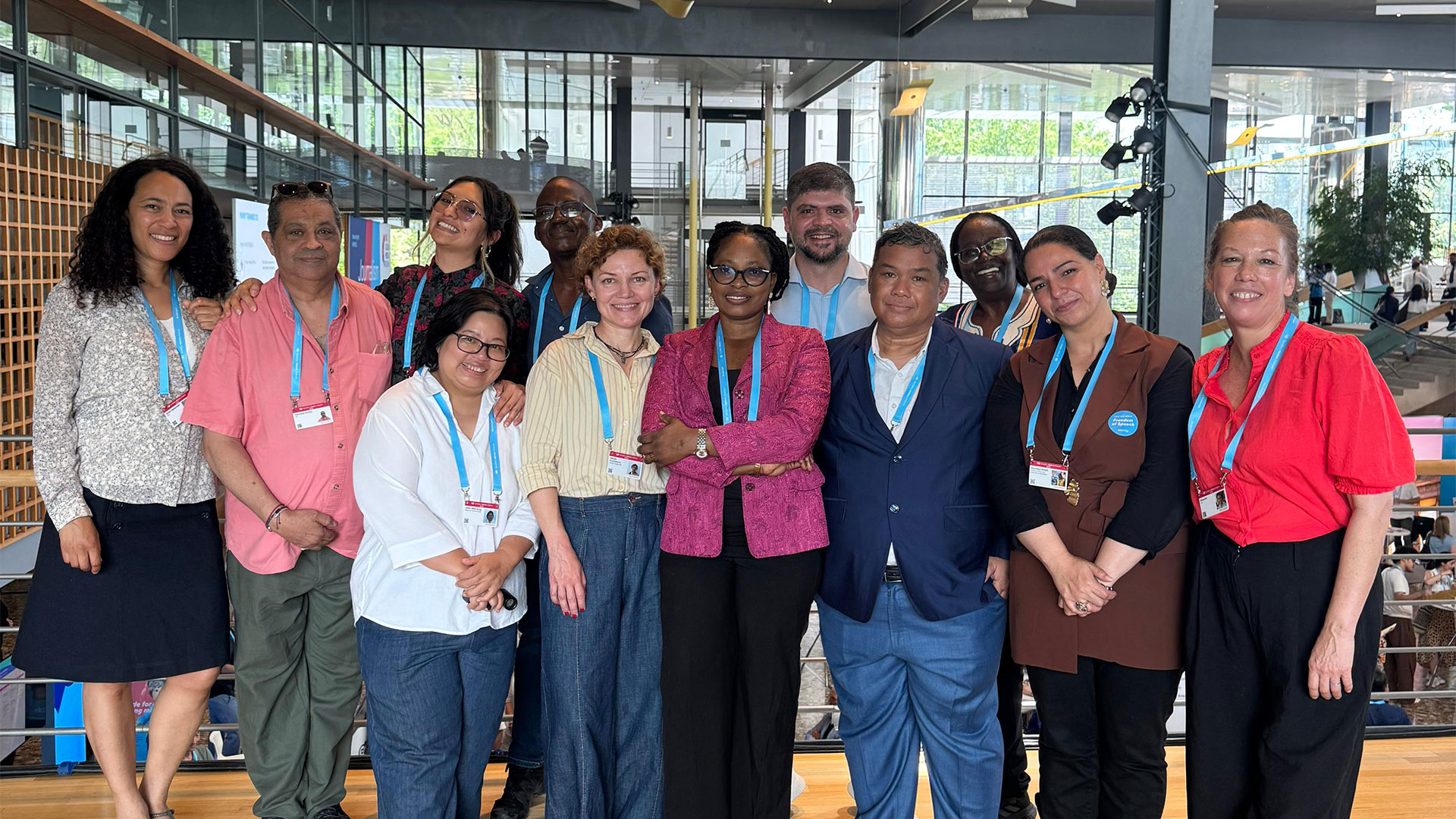
Professor Genilo attended meetings of the Global Reference Group of Deutsche Welle Akademie, where participants from Kenya, Zimbabwe, Tunisia, Ivory Coast, Morocco, Myanmar, Ukraine, Bolivia, Brazil, and other countries discussed some of the most pressing issues confronting journalism and democratic communication today. Key topics included the impact of artificial intelligence on journalism, public trust in independent media, freedom of expression, media sustainability, and the future of professional journalism in increasingly complex information environments.
The engagements provided an important platform for sharing perspectives from Bangladesh and the Global South on communication, media development, journalism education, and democratic participation. Discussions highlighted the need for stronger international collaboration in addressing emerging challenges posed by technological change, disinformation, political polarization, and declining trust in public institutions.
Professor Genilo also participated in the Global Media Forum 2026 held in Bonn under the theme “Journalism Out Loud.” The forum brought together policymakers, academics, journalists, media professionals, and technology experts to examine the evolving role of journalism in promoting informed public discourse and democratic accountability. Sessions explored issues such as media freedom, artificial intelligence, digital transformation, platform governance, and changing patterns of news consumption worldwide.
As part of the programme, Professor Genilo engaged with senior leaders of Deutsche Welle Akademie, including regional directors responsible for Asia, Europe, Africa, the Middle East and North Africa, and Latin America. The discussions explored opportunities for international collaboration in journalism education, media development, and capacity-building initiatives.
Reflecting on the experience, Professor Genilo emphasized the importance of ensuring that perspectives from countries such as Bangladesh are represented in global conversations on media, communication, and democracy. He noted that journalism educators have a critical role to play in preparing future journalists to navigate rapidly changing technological, political, and social environments while upholding professional ethics and public trust.
The international engagements underscore the growing contributions of Bangladeshi communication and journalism educators to global thought leadership and professional discourse. They also reinforce the importance of strengthening links between academic institutions, media organizations, and civil society in addressing contemporary challenges facing journalism and democratic communication.